Dental implants in Hereford
Our dentists in Hereford are experts in replacing teeth. Using the latest dental technology, we can help you achieve a beautiful, natural smile.

Our dentists in Hereford are experts in replacing teeth. Using the latest dental technology, we can help you achieve a beautiful, natural smile.
A dental implant is a fixed solution for one or more missing teeth and can help restore both your smile and your quality of life.
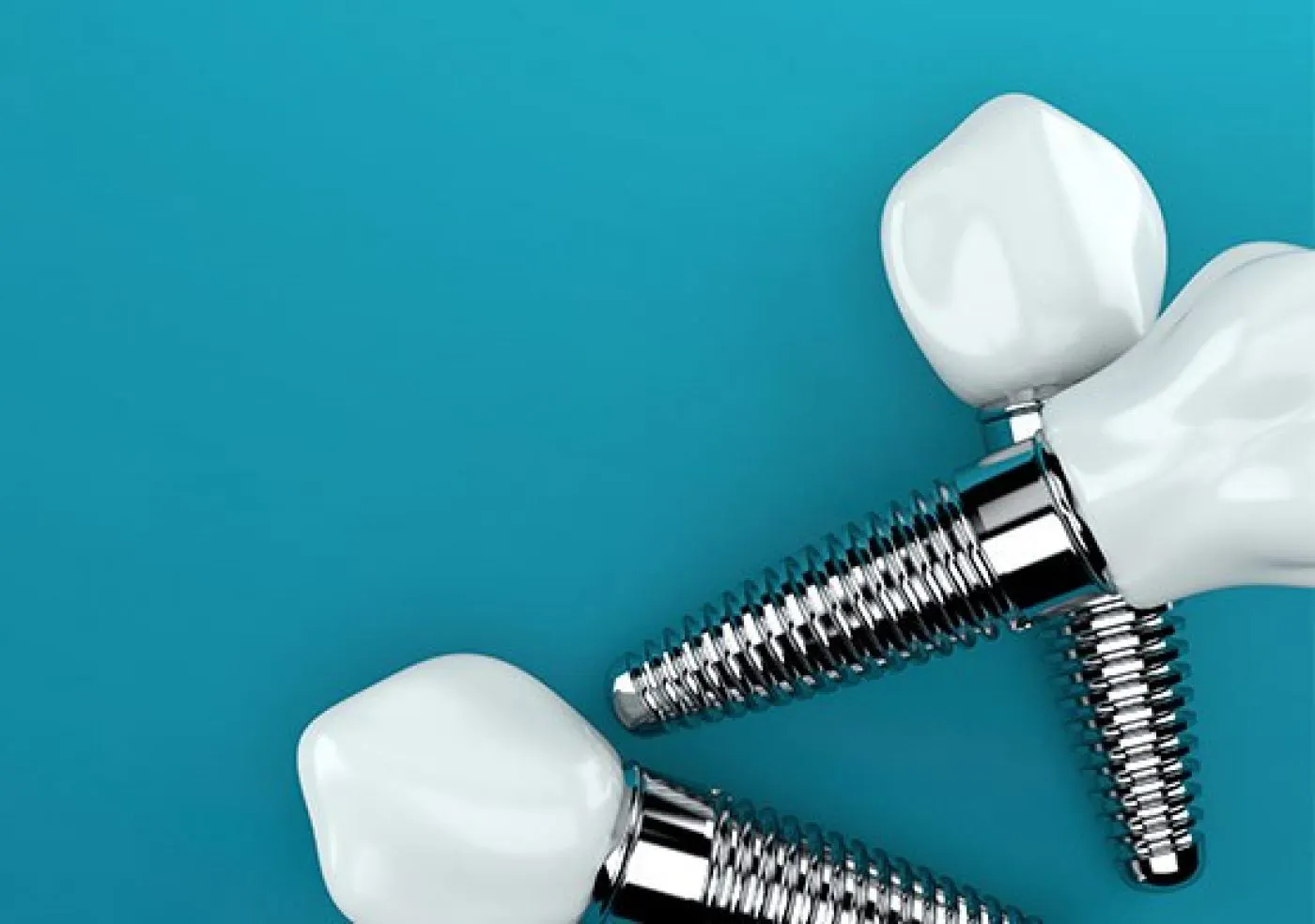
An implant is made up of an artificial titanium root that is fixed to the jaw, and an abutment, made from titanium, gold or porcelain, which fits to the implant and attaches the crown, bridge or denture fitted on top.
If you are concerned about your replacement teeth looking realistic or coming loose, dental implants are an ideal option. They are crafted to look and feel just like natural teeth.
Teeth implants also safeguard your overall dental health. Replacing missing teeth is extremely important, as missing teeth cause bone loss which can age your face and could potentially cause adjacent teeth to become loose too.
There are several different types of implant available, depending on your needs. You will also be able to select from a range of different materials and varying degrees of personalised crafting, offering a range of solutions from a functional replacement tooth, to a more aesthetic result to blend with your natural teeth. Your dentist will discuss all the options with you to find the best solution.
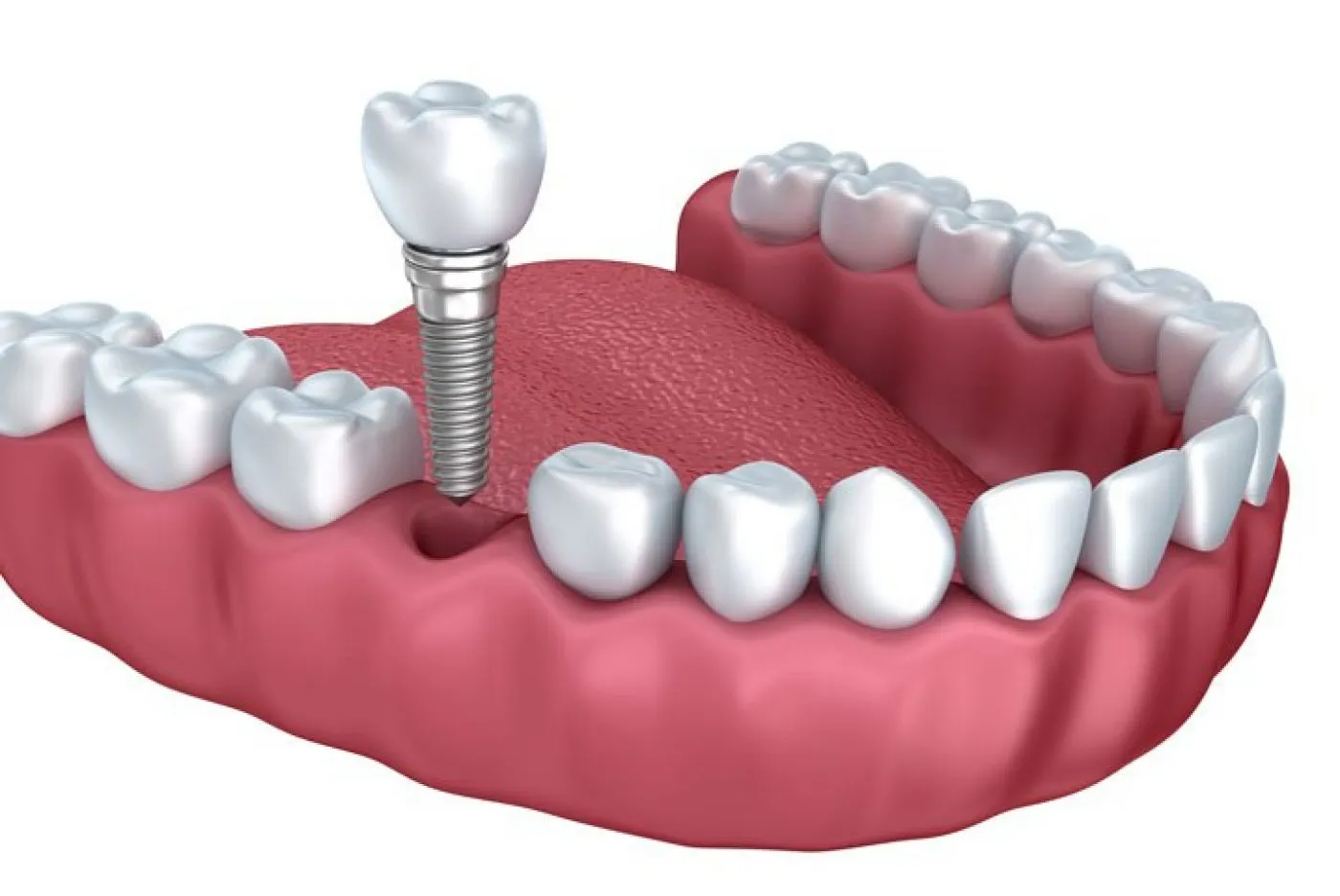
A dental implant is a great choice for a single missing tooth, whether it’s visible or not, and the results can be life-changing. A single implant provides the foundation for a crown, which will be created at Hereford Dental & Implant Clinic to match your teeth exactly.
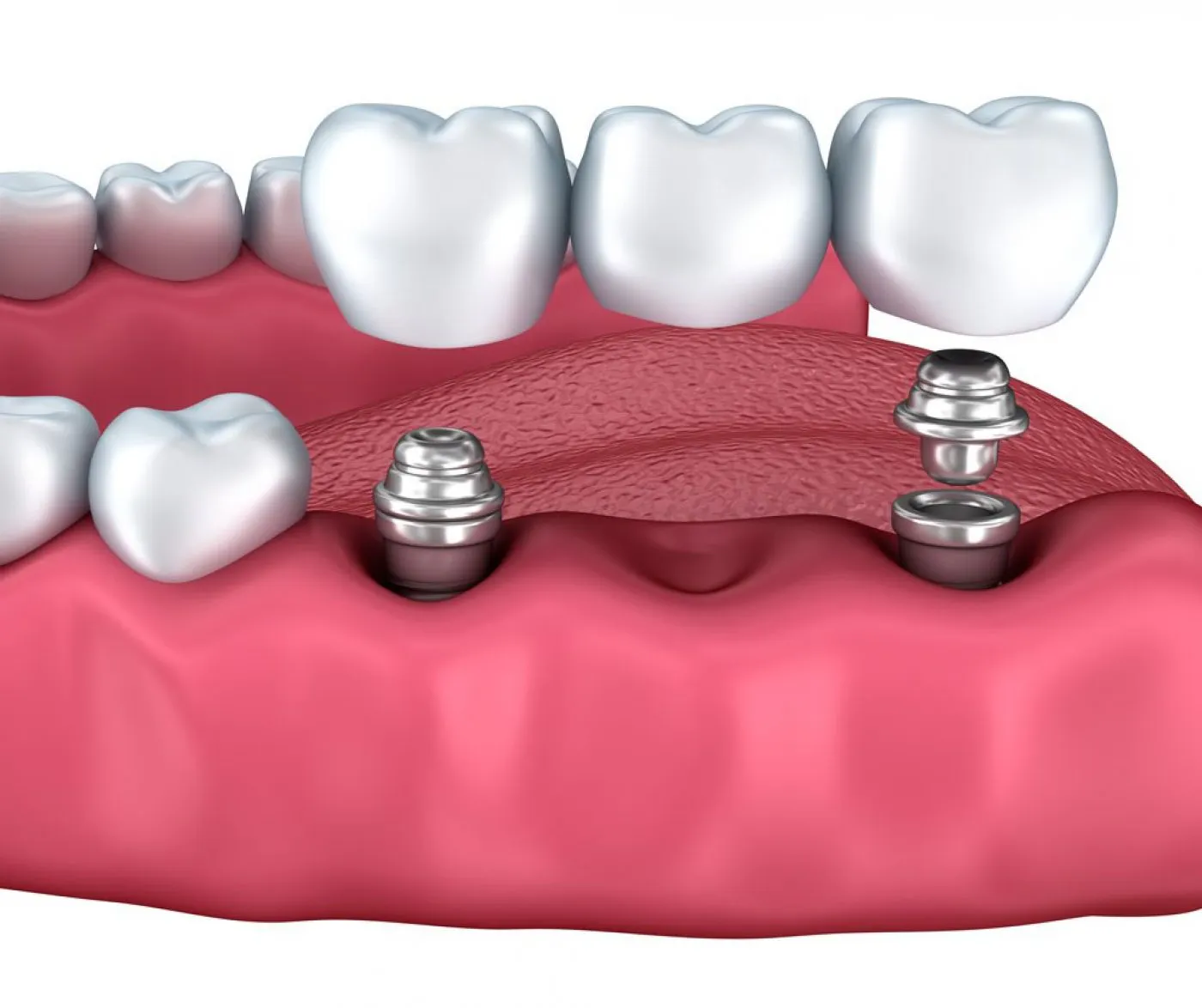
If you’re missing more than one tooth, there are a number of options available to you at Hereford Dental & Implant Clinic. In some cases a single dental implant can support two replacement teeth, or two implants can support a fixed bridge if you have several missing teeth. A bridge is a long-lasting, natural-looking solution which will help preserve the health of the rest of your teeth and jaw.

Dentures can be uncomfortable, irritating and embarrassing. With advances in Implant dentistry, Hereford Dental & Implant Clinic now have many innovative techniques for denture stabilization.
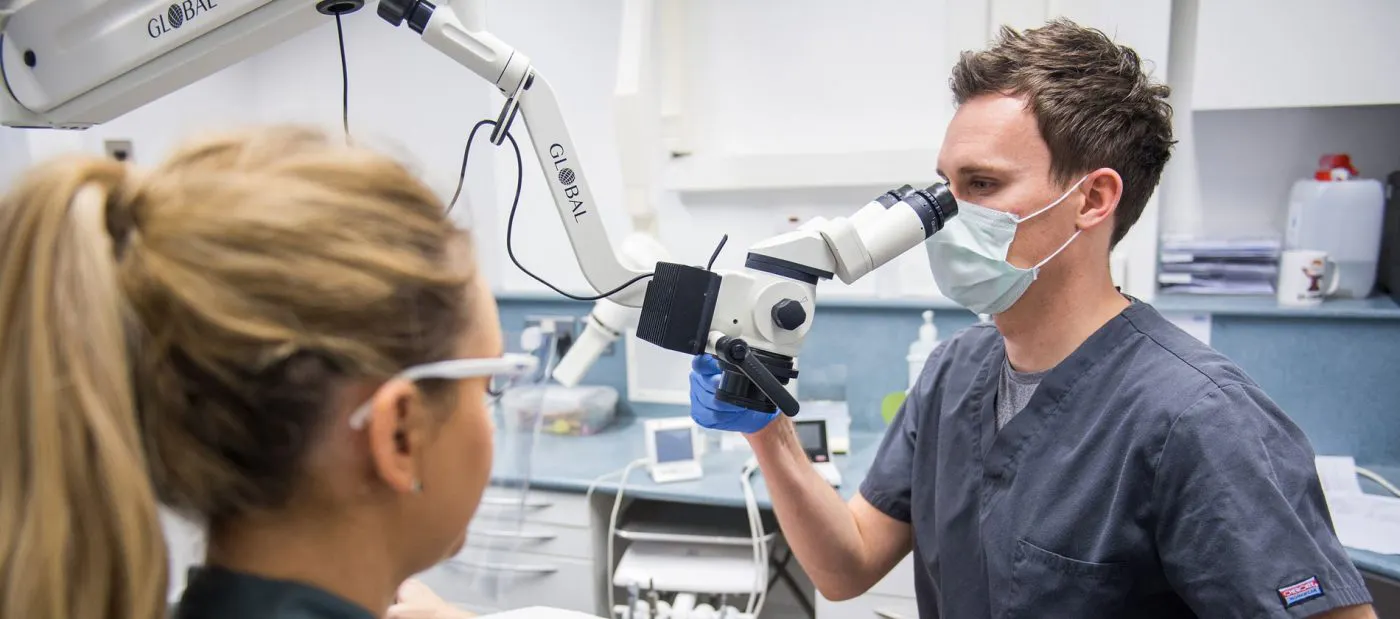
For dental implants to work, there must be enough bone in the jaw, which is strong enough to hold and support the implant. If this is not the case, you may need some treatment before your implant treatment can begin, such as bone augmentation or bone grafting. Following an examination, the team here at Hereford Dental & Implant Clinic will discuss any treatment you may require before your implant treatment begins.

Traditional implant procedures require between three and six months between placing an implant and restoring with the final replacement teeth. This ensures that following placement, the area completely heals and the implant bonds with the jaw, before it bears any load from the permanent replacement teeth. During this time, temporary restorations are often provided to ensure you are not left with any gaps.
All-on-four is a technique we use at Hereford Dental & Implant Clinic that allows a fixed bridge to be fitted onto 4 dental implants in one day. Generally, a patient would need to have 6 to 10 dental implants in order to replace all missing teeth on one row and sometimes we would even need to add artificial bone.
At Hereford Dental & Implant Clinic we take advantage of new technology and our extensive dental expertise to give you the highest standards of care, with skills in delivering advanced implant placement, especially useful for more complex implant cases.
We have introduced two new procedures recently for this very reason:
CT Scanning for Diagnosis – We can arrange for CT scans to be performed during the diagnostic treatment planning stage this gives a clear 3D picture of the jaw anatomy in a patient which is invaluable where more than one implant is being placed or where bone levels are unclear from initial x-rays.
Guided Surgery – This form of ‘virtual dentistry’ enables dentists to diagnose and plan treatment schedules that start with the initial consultation stage right through to the actual procedure. Following a CT scan it is possible for the image to be converted to a highly realistic 3D representation of the patient’s jaw which can be explored from all angles. The dentist can also place ‘virtual’ implants which enables them to check the positioning and make adjustments if necessary.
Assessment:
Every treatment begins with an assessment from your local Hereford Dental & Implant Clinic dentist who will be performing your implant treatment. They will discuss all the options with you, make an assessment of the best solution for you, and ensure you understand every step of your treatment. You will have an x-ray and, in some cases, a CT scan to help visualise your jaw, ensure your gums are healthy and that there is enough jaw bone to place the implant.
The treatment:
This is when the implant is placed into your jaw. It’s a straightforward process which can be completed under local anesthetic. If you are particularly nervous or have a dental phobia, your dentist will make sure you feel absolutely comfortable with the treatment and can provide sedation if needed.
The implants will need three to six months to heal and integrate with your jaw bone to provide a solid support for the crown, bridge or denture.
Depending on your treatment and your dentist’s diagnosis, a temporary crown can be fitted at the same time as your initial appointment. These will stay in place until the final restoration appointment.
It may be necessary to have a separate appointment between six weeks and six months after your initial treatment, to allow the implant to fully integrate. This ensures that your jaw has completely healed before the crown, bridge or denture is permanently fitted.
Restoration:
Once your jaw has healed, your dentist will then take an impression of your mouth. This enables a dental technician to build your bespoke crown, bridge or denture, which will be colour matched to blend seamlessly with your other teeth.
Same day teeth is a modern procedure which enables you to have your dental implants placed and walk out of the clinic with your final brand new teeth in just one day.
Your smile is now complete.
As with natural teeth, good oral hygiene is important for preventing gum disease and prolonging the life of your dental implants. You do not need to remove the teeth fitted to your implants but clean them as you would your natural teeth. A high standard of daily oral care, along with regular check-ups with your local Hereford Dental & Implant Clinic dentist and hygienist, will help to ensure your mouth stays healthy and your implants last as long as possible.
Contact Hereford Dental & Implant Clinic today to find out more about dental implants and how they could work for you.
From how to deal with dental phobias, to advice on common dental conditions, how to keep teeth in top shape and your breath fresh, our Hereford Dental & Implant Clinic team can help with all your queries on general dental care and advice.
At Hereford Dental & Implant Clinic, we are experts in repairing broken or chipped teeth. Using the latest dental technology we can help you achieve a beautiful, natural smile.
If you're ready to take up treatment with your dentist in Hereford, get in touch.
Portman Dental Care Awards